The decision to replace a missing tooth is a significant milestone in a person’s healthcare journey, impacting oral function, facial aesthetics, and psychological well-being for decades. While traditional bridges and dentures have served patients for generations, the landscape of restorative dentistry has shifted toward more permanent, biologically integrated solutions. Today, the dental implant stands as the only restorative option that replicates the entire structure of a natural tooth, from the root deep within the bone to the crown that meets the world.
Preserving Bone and Facial Structure
The most profound impact of tooth loss occurs beneath the surface of the gums. When a natural tooth root is missing, the jawbone no longer receives the mechanical stimulation—the tiny vibrations and pressure from chewing—that signals the body to keep the bone tissue dense and strong. Without this stimulation, the body begins to resorb the bone, leading to a visible collapse of the facial profile and a prematurely aged appearance.
A dental implant is a marvel of bioengineering because it serves as a direct substitute for the tooth root. Usually constructed from high-strength, biocompatible titanium or zirconia, it is surgically inserted into the jawbone, where it undergoes a remarkable process called osseointegration. During this phase, the living bone tissue actually fuses with the surface of the post, creating a permanent, rock-solid bond. This prevents bone loss and ensures the structural integrity of the jaw remains intact for a lifetime.
In a traditional bridge scenario, the healthy teeth on either side of a gap must be filed down and capped to serve as anchors for the prosthetic. This permanently compromises those teeth and makes them more susceptible to future decay. By contrast, a dental implant is a standalone unit that requires no support from its neighbours. By choosing an implant, you are essentially protecting the longevity of every other tooth in your mouth.
Beyond the physical structure, the psychological benefit of a stable restoration is immense. Knowing that your tooth is literally fused to your skeleton provides a level of security that removable options simply cannot match. You can speak, laugh, and smile without the nagging fear that your restoration will shift, click, or fall out at an inopportune moment. It provides the freedom to live without the constant “dental awareness” that plagues denture wearers.
Clinical Comfort and the Modern Surgical Experience
Many patients hesitate to pursue implants due to a fear of the surgical process or the perceived pain of the recovery. However, modern dental technology and refined protocols have made the procedure incredibly predictable and, for the majority of patients, surprisingly comfortable. The discomfort associated with an implant placement is often described as being less than that of a routine tooth extraction.
During the initial placement, the comfort of the patient is the top priority for the surgical team. In many sophisticated practices, the use of medical gas is a common way to help patients manage situational anxiety. This allows the patient to remain conscious and able to respond to instructions while feeling a deep sense of relaxation and detachment from the sounds and sensations of the dental office.
Following the placement of the post, the healing phase is critical for the long-term success of the restoration. Surgeons use advanced materials to ensure the gum tissue adapts perfectly to the new hardware and forms a tight biological seal. In some specialised cases, a medical-grade adhesive or bio-compatible sealants are used to protect the surgical site from bacteria during the initial 48 hours of recovery, promoting faster tissue regeneration.
- Detailed Imaging: Using 3D CBCT scans to map nerves, sinuses, and bone density ensures a precise surgical plan before the first incision is made.
- Local Anaesthesia: Modern numbing agents ensure that the actual site of the surgery is completely insensitive to pain during the procedure.
- Surgical Guides: CAD/CAM technology allows for the creation of 3D-printed guides that ensure the implant is placed at the exact depth and angle required for the best aesthetic result.
- Controlled Recovery: Most patients find that over-the-counter pain relief is sufficient to manage the mild soreness felt in the days following the surgery.
Aesthetic Excellence and Daily Functionality
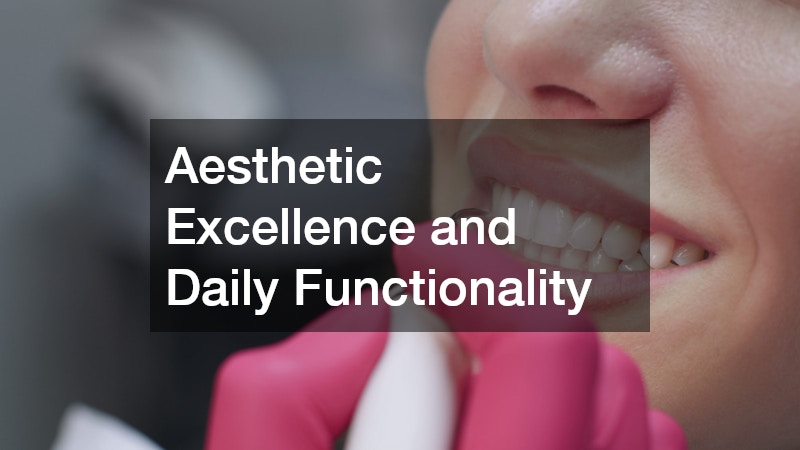
The primary goal for most patients is to have a smile that looks completely natural and functions without thought. High-end restorative work is not just about filling a gap; it is about replicating the complex artistry of human biology. An implant-supported crown is designed to emerge from the gumline exactly like a natural tooth, preventing the “floating” appearance often seen with bridges.
The crown that sits atop the implant is handcrafted by master dental technicians to match the unique shade, opacity, and light-reflecting properties of your existing teeth. This process is a cornerstone of modern cosmetic dentistry because it results in a restoration that is virtually indistinguishable from the ones you were born with. The porcelain is layered to mimic the natural gradations of enamel and dentin.
While some patients seek out various cosmetic dental procedures to whiten their teeth or close minor gaps, an implant solves a foundational functional problem while providing a visual upgrade. It restores the symmetry of the face and supports the lips and cheeks, preventing the sagging that occurs when teeth are missing. Because the crown is made of high-quality ceramic, it will never decay and is highly resistant to staining.
The bite force of an implant is nearly identical to that of a natural tooth. This allows you to enjoy a varied, nutritious diet of fibrous vegetables, nuts, and proteins without restriction. This is a significant quality-of-life upgrade from removable dentures, which can often slip or cause sore spots when eating tough or sticky foods. With an implant, the force of chewing is transferred directly into the bone, making the experience feel entirely natural.
Advanced Care Strategies for Dental Implant Longevity
Maintaining the integrity of a dental restoration requires a shift in how you perceive daily oral hygiene. Because the biological connection between an implant and the gum tissue—known as the perimucosal seal—is more delicate than the ligament attachment of a natural tooth, your home care routine must be both thorough and gentle. Transforming these basic habits into a structured regimen is the most effective way to protect your investment for the long term.
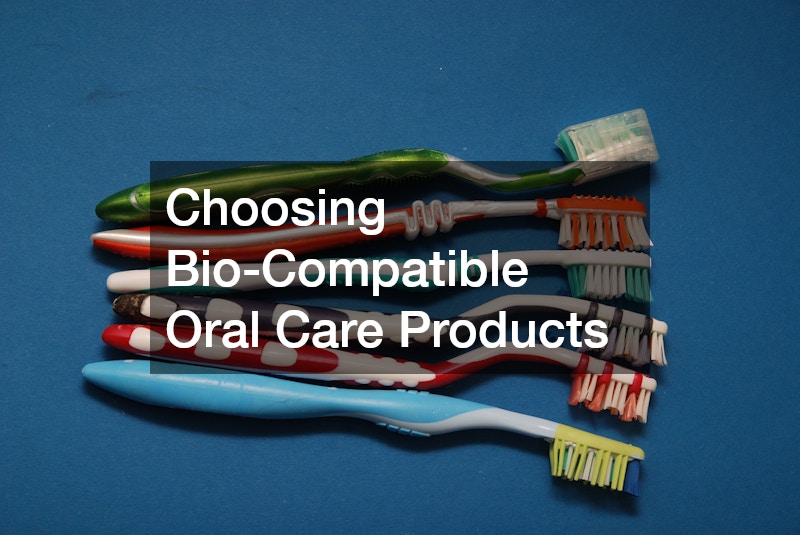
When it comes to physical cleaning, the tools you choose are just as important as the technique itself. You should utilise a soft-bristled manual or electric toothbrush at least twice daily to disrupt the biofilm that accumulates at the gumline. While a manual brush is sufficient, many clinicians recommend high-quality electric models because their micro-vibrations can effectively break up plaque in the hard-to-reach crevices where the prosthetic crown meets the titanium abutment without requiring aggressive pressure that might irritate the soft tissues.
Standard string floss is often difficult to navigate around the unique architecture of an implant, which is why many patients find that a water flosser is the most effective way to keep the area around the implant base clear of debris. These devices use a targeted stream of pulsating water to flush out bacteria and food particles from the “sulcus,” or the small pocket around the implant, which is often deeper and more prone to stagnation than the pockets around natural teeth.
Choosing Bio-Compatible Oral Care Products
The materials used to create your restoration are durable, but they are not indestructible. To maintain the aesthetic brilliance of your smile, you must use a toothpaste that does not contain harsh abrasives, such as baking soda or whitening grits, which could dull the microscopic polish of your custom crown over time. A dulled surface is not just a cosmetic issue; a roughened ceramic surface provides more “grip” for plaque and tartar to adhere to, making your daily cleaning less effective.
Beyond the mechanical aspects of cleaning, your internal biology plays a massive role in how well the bone maintains its grip on the implant post. Evidence consistently shows that avoiding tobacco products is the single most important thing a patient can do to ensure their implant lasts for thirty years or more. Nicotine constricts the blood vessels in the gingival tissue, which significantly impairs the body’s ability to deliver oxygen and nutrients to the bone-to-implant interface, drastically increasing the risk of late-stage implant failure.
- Consistent Monitoring: Visit your hygienist every six months to check for “probing depths” around the implant, ensuring the tissue remains tightly attached.
- Antimicrobial Rinses: If you struggle with inflammation, incorporating an alcohol-free antimicrobial mouthwash can help lower the bacterial load in the mouth without drying out the oral mucosa.
- Occlusal Protection: If you have a habit of clenching your teeth at night, a custom-fitted nightguard is essential to prevent the mechanical stress that can lead to porcelain chipping or bone loss around the implant screw.
- Biocompatible Sealing: During the initial restoration phase, your specialist may utilize a specialized medical grade adhesive to secure temporary components or seal the abutment interface, preventing microscopic gaps where bacteria could otherwise thrive and compromise the health of the surrounding bone.
Holistic Planning and Integrated Care
In many cases, when a tooth has been missing for a long time, the teeth surrounding the gap have begun to tilt or drift into the space. To create the ideal amount of room for a beautiful restoration, a dentist might suggest a clear aligner system to gently move the teeth back into their original, healthy positions. This orthodontic preparation ensures that the final crown fits perfectly into the arch and that your bite is balanced.
It is also helpful to have these complex procedures managed by a practice that understands the needs of your entire household. Many parents find that childrens dentists who operate within a larger multi-speciality group practice make it easier to coordinate their own implant consultations. This allows the family to manage everyone’s oral health in a single, familiar environment where records and treatment philosophies are shared among specialists.
Integrating restorative work into a long-term wellness plan allows for much better outcomes. When your family dentist understands your full history—including your habits, your genetics, and your aesthetic goals—they can make recommendations that account for your future needs. This comprehensive approach ensures that your investment in an implant is protected by a foundation of overall oral health and a stable, healthy bite.
Navigating Emergencies and Making Timely Decisions

Timing is arguably the most critical factor in the success and ease of dental restorations. When a tooth is lost due to sudden trauma or an acute infection, the window for the most ideal restorative outcome begins to close immediately as the bone begins its natural recession process.
If a tooth is knocked out or fractured, your first stop should be an urgent care clinic or an emergency dental office that can stabilise the area. The faster you seek professional intervention, the more options you have available. In some instances, if the surrounding bone and tissue are healthy, a surgeon can perform an “immediate load” implant, meaning the post is placed the same day the tooth is removed.
Even if the tooth loss was not an emergency, you should not delay the consultation process. A specialist in cosmetic dentistry can evaluate your current bone volume and determine if you are a candidate for a simple placement or if you require a preliminary bone graft. The sooner the implant is placed, the more bone you will preserve, and the simpler the overall treatment plan will be. Waiting years to address a gap often results in the need for more invasive and expensive preparatory surgeries.
- Immediate Action: Seek a dental evaluation within hours of a traumatic tooth loss or periodontal pain.
- Bone Evaluation: Understand that bone loss begins within weeks of an extraction.
- Temporary Solutions: Discuss “flippers” or temporary bridges that can maintain your appearance while the implant integrates with the bone.
- Long-Term Strategy: View the implant as a 25-year investment rather than a short-term fix.
The Path to a Permanent Smile
Choosing a dental implant is an act of looking forward. It is a decision to prioritise your long-term health, your ability to enjoy food, and your confidence in social interactions. While the process requires a degree of patience during the healing phases and a higher initial financial commitment than a removable partial denture, the dividends it pays are unmatched in the world of medicine.
By choosing a solution that mimics the biology of a real tooth, you are choosing to protect your jawbone and maintain the youthful structure of your face. With the right professional team and a commitment to simple daily hygiene, your implant will function so naturally that it becomes a seamless part of your body. When you weigh the benefits of durability, aesthetics, and bone preservation, it becomes clear that the best restoration choice is the one that allows you to live your life as if you never lost a tooth at all.