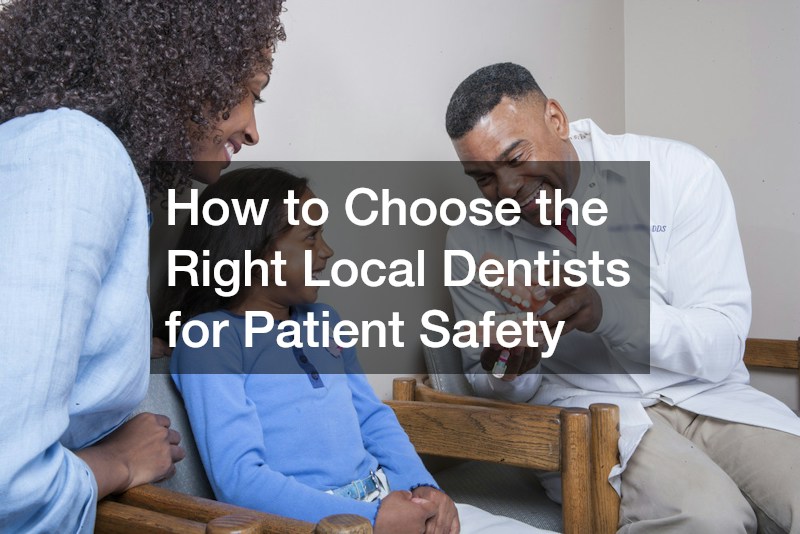
Choosing a healthcare provider is one of the most critical decisions you can make for your overall well-being, yet dental care is often approached with far less scrutiny than general medicine. Many people select a clinic simply based on proximity to their home or how quick they can get an appointment, overlooking essential factors like infection control protocols, emergency readiness, and clinical credentials. However, receiving care in an environment that fails to prioritize patient safety can lead to severe complications, ranging from cross-contamination and nerve damage to irreversible structural issues. Finding a provider who maintains rigorous clinical standards while treating you with respect should always be your top priority. This guide provides a comprehensive framework to help you evaluate potential care providers, audit office safety procedures, understand specialized treatment risks, and recognize your legal protections if substandard care occurs.
Verify State Board Licensing and Clinical Qualifications
Before setting foot in a treatment room, you must thoroughly investigate the credentials of the practitioner leading the clinic. State dental boards maintain public databases where patients can verify active licenses, check specialty certifications, and review any history of disciplinary actions or malpractice settlements. A reputable practitioner will display their diplomas and continuing education certificates prominently in the office.
-
Check that the practitioner holds an active license with no pending state board restrictions.
-
Verify advanced certifications for complex procedures such as IV sedation or implantology.
-
Confirm that all auxiliary staff, including hygienists and assistants, are properly licensed in your state.
Beyond initial licensing, ongoing education is vital because clinical techniques and safety standards evolve constantly. A qualified dentist will regularly participate in advanced training focused on patient monitoring, airway management, and updated infection control measures. When reviewing a provider’s background, ensure they maintain current certification in Advanced Cardiac Life Support (ACLS) if they offer any form of sedation, ensuring they can handle unexpected medical emergencies safely.
Inspect Physical Office Hygiene and Sterilization Protocols

A quick tour of the waiting area and treatment rooms can tell you a great deal about a practice’s commitment to hygiene. Infection control measures must be rigorous, continuous, and transparent. Pay close attention to whether the clinical staff wears fresh protective equipment for every patient interaction and whether single-use items are opened directly in front of you.
-
Look for clear plastic barrier wraps on high-touch surfaces like light handles and control panels.
-
Observe whether staff change gloves immediately after touching non-sterile equipment or paperwork.
-
Ask if the office routinely tests its dental unit waterlines to prevent bacterial biofilm build-up.
Proper sterilization requires specialized equipment like autoclaves, which use high-pressure steam to kill pathogens on reusable instruments. Responsible local dentists maintain meticulous logs of heat-pouch indicator tests and biological spore monitoring to guarantee their sterilization units are functioning perfectly. Never hesitate to ask how instruments are processed between patients; a safety-conscious clinic will happily explain their decontamination routine.
Audit Technology Calibration and Safety Maintenance Logs
Modern clinical practices rely heavily on complex machinery to diagnose conditions and execute precise surgical interventions. However, high-tech tools are only as safe as their maintenance schedules. Diagnostic equipment such as 3D Cone Beam Computed Tomography (CBCT) scanners and digital X-ray units must undergo routine calibration to ensure accurate image output while minimizing radiation exposure to patients.
-
Inquire whether diagnostic imaging equipment is routinely inspected and certified by radiation safety authorities.
-
Confirm that emergency backup power units exist for monitors and surgical suction machines.
-
Ensure that emergency oxygen tanks and resuscitation kits are fully stocked and inspected monthly.
Surgical handpieces, ultrasonic scalers, and automated monitors require consistent servicing to prevent sudden mechanical failures or overheating during care. When dental equipment is kept in optimal condition through certified technical servicing, the risk of tissue trauma, unexpected breakdown, or inaccurate diagnostic reporting is dramatically reduced. A commitment to maintaining machinery reflects a broader culture of clinical excellence.
Review Safety Protocols for Aesthetic and Reconstruction Work
Elective structural and cosmetic enhancements require meticulous preparation to ensure long-term functionality alongside visual appeal. Treatments that alter your natural tooth structure, such as porcelain veneers, full-coverage crowns, or extensive whitening, should never be undertaken without a comprehensive oral health assessment to confirm that your gums and jawbone are healthy.
-
Demand a complete diagnostic evaluation, including periodontal probing and structural imaging, prior to aesthetic work.
-
Ensure the provider creates custom diagnostic wax-ups or digital mock-ups to plan enamel reduction conservatively.
-
Discuss the long-term maintenance requirements and potential risks to natural tooth vitality before proceeding.
Selecting an experienced cosmetic dentist means working with someone who prioritizes natural tissue preservation over aggressive tooth shaving. Incompetent aesthetic procedures can compromise the internal pulp of the tooth, resulting in chronic pain, infection, or the eventual need for root canal therapy. Always ask to see documented before-and-after cases of actual patients and confirm that conservative techniques are used to safeguard your natural enamel.
Confirm Specialized Safety Standards for Alignment Treatments
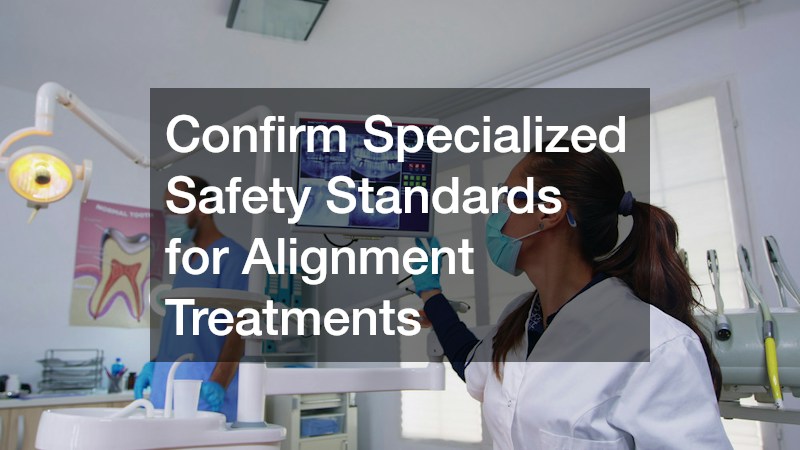
Realigning teeth is far more than a cosmetic endeavor; it is a complex biomechanical process that directly impacts your bite, jaw joint function, and facial structure. Attempting structural movements without proper supervision can lead to root resorption, bone loss, or long-term temporomandibular joint (TMJ) disorders. Safe alignment requires continuous in-person monitoring throughout the entire course of treatment.
-
Verify that comprehensive panoramic X-rays and 3D bite scans are taken before any movement begins.
-
Ensure that progress is checked in person regularly to catch unnatural tooth mobility or gum recession early.
-
Avoid direct-to-consumer alignment kits that lack hands-on evaluation by a licensed specialist.
Complex bite corrections demand precise force planning to prevent permanent damage to the supporting alveolar bone. Relying on an established orthodontists service ensures that your treatment plan is tailored to your unique craniofacial structure. Specialists possess the advanced training necessary to anticipate structural complications, adjust movement angles dynamically, and protect the overall longevity of your teeth and jaw joints.
Verify State Coverage Guidelines and Patient Rights Standards
Accessing safe, high-quality care through public assistance programs requires understanding both your coverage benefits and your rights as a patient. State-sponsored insurance programs mandate that participating clinics meet strict infection control, safety, and patient care standards, ensuring that high volume does not lead to compromised clinical quality.
-
Confirm that the clinic complies with state-mandated patient safety guidelines and sanitation audits.
-
Review your plan’s covered preventative services to ensure you receive complete diagnostic evaluations.
-
Know your rights regarding informed consent, record requests, and reporting substandard care to regulators.
Finding a reliable local medicaid dentist who upholds pristine clinical standards ensures you receive thorough care without unnecessary delays or shortcuts. Patients utilizing state coverage are entitled to the exact same sanitation, emergency readiness, and respectful treatment as private-pay patients. Always request a clear explanation of proposed treatments and verify that all safety protocols are fully observed.
Evaluate Hygiene and Supervision Standards for Hybrid Practice Models
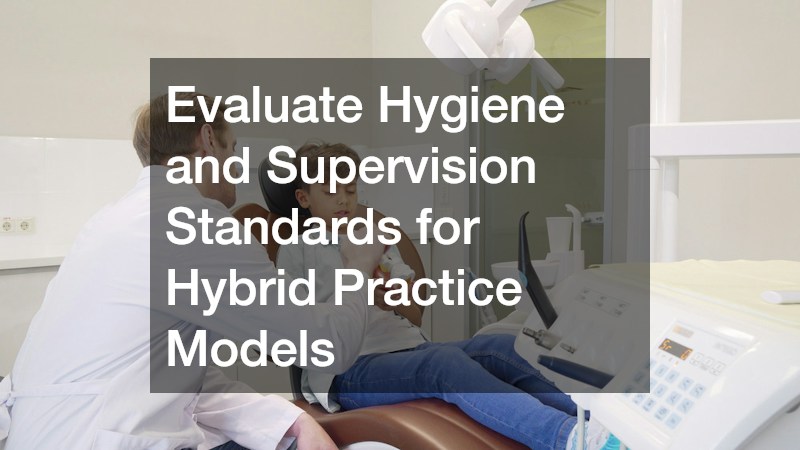
The rise of hybrid wellness facilities that combine clinical dental procedures with facial aesthetic treatments demands extra vigilance from consumers. While receiving skin care and smile enhancements under one roof offers convenience, the regulatory standards for clinical procedures and cosmetic treatments differ significantly. Cross-contamination risks increase when clinical and non-clinical services share treatment spaces.
-
Ensure that clinical dental zones are physically separated from general aesthetic service rooms.
-
Confirm that facial injectables are administered only by or under the direct supervision of a licensed physician or practitioner.
-
Verify that all skin treatment instruments follow the same medical-grade sterilization as dental tools.
When visiting a facility that functions as a med spa, verify that the staff holds distinct, appropriate licenses for each service provided. Hygiene standards in skin treatment rooms must match the rigorous infection control practiced in surgical bays. Proper ventilation, sterile surface preparation, and strict waste disposal procedures must be maintained across all treatment areas to protect your health.
Know the Legal Red Flags of Severe Surgical Negligence
Despite taking every precaution, patients sometimes encounter clinical care that falls drastically below accepted standards of practice. Surgical mistakes such as severed nerves, sinus cavity perforations, severe infections caused by unsterile tools, or failure to diagnose oral cancer are not mere bad outcomes—they can constitute severe professional negligence with life-altering consequences.
-
Keep detailed records of all symptoms, emergency visits, and follow-up treatments after a botched procedure.
-
Request complete copies of your clinical notes, diagnostic X-rays, and billing records immediately.
-
Watch for warning signs like persistent numbness, extreme unmanaged pain, or unexplained systemic fever.
If you suspect that your injury resulted from sub-standard clinical execution or a failure to adhere to safety protocols, seeking legal counsel is essential. Speaking with an experienced medical malpractice attorney can help you determine whether the care you received violated established legal standards of care. Legal experts evaluate clinical documentation, consult independent medical experts, and help you seek accountability for catastrophic injuries.
Understand Liability When Equipment Malfunctions or Accidents Occur

Not all clinical injuries stem directly from a practitioner’s hands; some result from physical hazards, falling equipment, broken instrument tips, or improper chemical handling within the facility. When an avoidable physical accident or tool failure causes bodily harm during a visit, the practice may be held liable under premises liability or product defect laws.
-
Document physical injuries immediately with dated photos, medical reports, and written personal accounts.
-
Obtain contact details for any witnesses present during the incident, including office staff or other patients.
-
Avoid signing liability waivers or settlement releases before consulting with a qualified legal professional.
Sustaining severe tissue burns from overheated handpieces, swallowing un-tethered equipment components, or suffering physical injuries from broken furniture requires specialized legal assistance. Partnering with a skilled Personal Injury Attorney allows you to navigate insurance claims, recover costs for revisionary medical procedures, and claim compensation for lost wages or emotional trauma resulting from the accident.
Seek Regional Legal Guidance for Local Health Authority Claims
Navigating the aftermath of a severe injury or safety breach involves complex state laws, municipal health regulations, and strict statutes of limitations. Each jurisdiction imposes specific deadlines by which a formal claim or administrative complaint must be filed, making prompt action vital to preserving your rights as a consumer.
-
File formal safety complaints with your state dental board to trigger an independent administrative review.
-
Track all out-of-pocket expenses, travel costs, and lost work days related to correcting the damage.
-
Ensure all legal filings strictly adhere to your jurisdiction’s legal timelines for personal injury claims.
Collaborating with a knowledgeable local attorney provides you with a distinct advantage, as they understand state-specific healthcare statutes, regional court systems, and local licensing board procedures. An attorney grounded in your community can help you present a compelling case, hold non-compliant healthcare facilities accountable, and ensure you secure full compensation for your injuries and ongoing care needs.
Protecting your physical health and long-term well-being requires a proactive approach when selecting a dental clinic. By looking beyond superficial conveniences and evaluating credentials, sterilization practices, equipment maintenance, and clinical oversight, you empower yourself to choose a provider who prioritizes patient safety above all else. Remember that asking detailed questions about hygiene protocols, emergency readiness, and treatment plans is your fundamental right as a consumer of healthcare. Should you ever experience substandard care or sustain an injury due to negligence, knowing your legal rights and knowing how to access specialized legal support ensures you are never without recourse. Staying informed, vigilant, and proactive is the ultimate strategy for securing safe, high-quality care that protects your smile and your overall health for years to come.