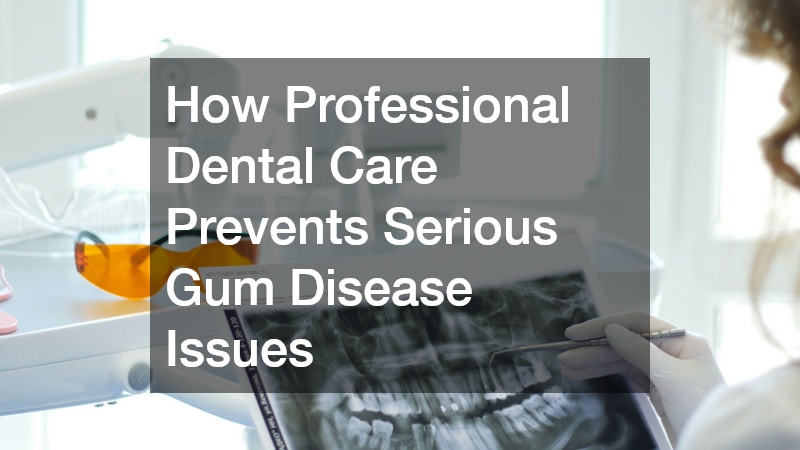
In the landscape of modern healthcare, few areas are as critical yet as frequently misunderstood as periodontal health. The gums serve as the literal and figurative foundation for every smile, providing the vascular and structural support necessary for teeth to function correctly. However, gum disease is a progressive and often silent condition, frequently developing without significant discomfort until it has reached an advanced stage. Understanding the mechanics of this progression—and more importantly, how professional intervention can halt it—is essential for anyone looking to maintain their natural teeth for a lifetime.
When we talk about oral health, the focus is often on the pearly whites themselves, but the pink tissue surrounding them is arguably more important. Periodontal disease has been linked to a variety of systemic health issues, including cardiovascular disease, diabetes, and even respiratory infections. By prioritizing the health of your gums, you are not just protecting your smile; you are investing in your total physical well-being. This guide explores the multi-faceted approach to preventing serious gum issues through a combination of professional expertise, advanced technology, and patient proactivity.
The Mechanics of Professional Plaque and Tartar Removal
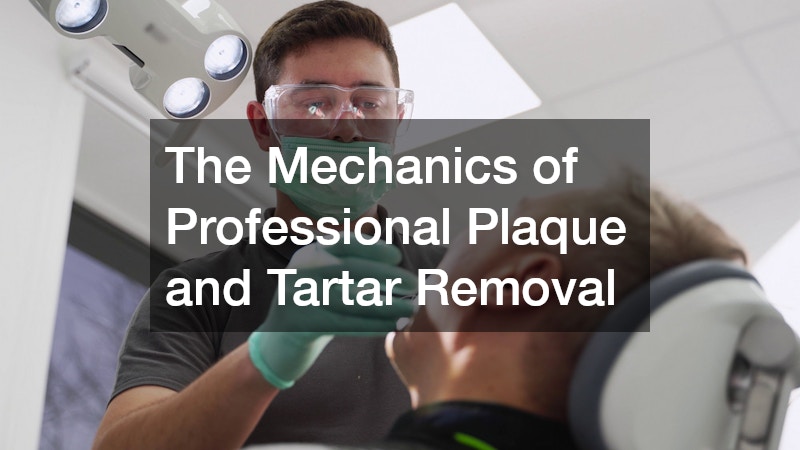
The primary driver of gum disease is the accumulation of biofilm—a complex community of bacteria that adheres to the surfaces of the teeth. While daily brushing and flossing are the first line of defense, they are not infallible. Even the most diligent home care routine can miss microscopic crevices, particularly below the gum line where oxygen is scarce and harmful bacteria thrive. Over time, this soft plaque mineralizes into tartar, a hard substance that cannot be removed by a toothbrush. This is why a professional teeth cleaning is a non-negotiable part of a healthy lifestyle. During this process, a hygienist uses specialized instruments to physically debride these deposits, effectively resetting the bacterial environment of the mouth.
The precision required for a thorough tooth cleaning goes beyond mere aesthetics. By removing the calcified deposits that harbor bacteria, the professional team prevents the chronic inflammatory response that causes the gums to pull away from the teeth. When this inflammation is left unchecked, it begins to dissolve the underlying bone, creating deep pockets that become even harder to clean. Modern hygiene visits often incorporate ultrasonic scalers, which use high-frequency vibrations and water irrigation to shatter tartar and flush out bacteria from deep within the periodontal pockets, providing a level of sanitation that home tools simply cannot replicate.
- Disruption of Biofilm:
Professional tools can reach the 3-4mm deep areas that dental floss often skips, breaking up bacterial colonies before they can cause infection. - Toxin Removal:
Bacteria in the mouth produce acidic byproducts; professional scaling removes the source of these toxins to allow the tissue to heal. - Polishing for Protection:
Smoothing the tooth surface makes it much harder for new plaque to find a foothold in the weeks following your visit. - Early Detection of Pockets:
Measuring the space between the tooth and gum helps the clinical team track whether your periodontal health is improving or declining.
Establishing a Foundation with Preventive Care
Maintaining a healthy mouth is not a one-time event but a lifelong partnership with a healthcare provider. Finding a reliable local dentist who understands your specific medical history and risk factors is the most important step you can take toward preventing tooth loss. Regular visits allow for the tracking of “micro-changes” in the gum tissue that might not be visible to the naked eye. For instance, a slight change in the color or texture of the gums can be an early warning sign of systemic inflammation or nutritional deficiencies that need to be addressed before they lead to structural damage.
Within the scope of general dentistry, the focus is on maintaining the equilibrium of the entire oral cavity. This includes checking the integrity of old fillings, screening for oral cancer, and evaluating the health of the jawbone. When gum disease is caught in its earliest stage, known as gingivitis, it is often completely reversible. However, once it progresses to periodontitis, the damage to the bone and ligaments becomes permanent. By establishing a consistent schedule of check-ups, you ensure that any deviation from health is met with immediate, conservative intervention rather than expensive, invasive surgery.
- Customized Maintenance Intervals:
Some patients may need to visit every three months rather than six if they have a genetic predisposition to gum issues. - Diagnostic Imaging:
Digital x-rays allow the team to see bone levels that are hidden beneath the gum line, catching “silent” bone loss early. - Nutritional Counseling:
Guidance on how vitamins C and D influence tissue repair can be a powerful adjunct to clinical treatments. - Salivary Testing:
Modern offices can sometimes test the DNA of the bacteria in your saliva to identify exactly which strains are causing your inflammation.
Addressing Discomfort and Structural Misalignment
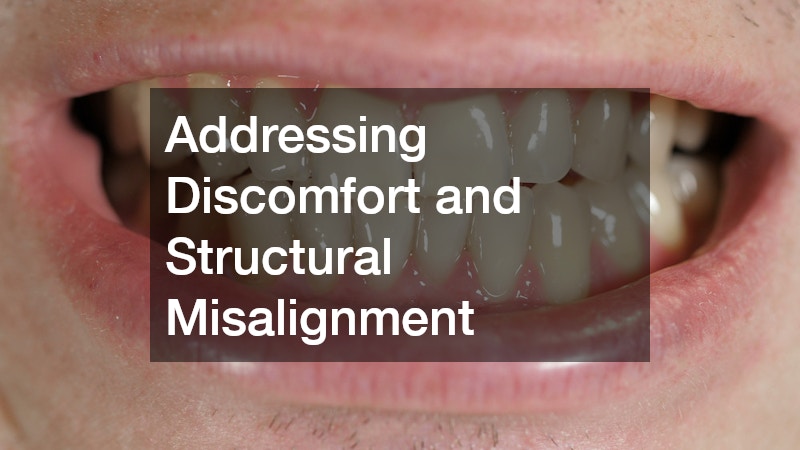
One of the most dangerous myths about gum disease is that it should be painful if it is serious. In reality, chronic periodontal infection is often painless until it is nearly too late. However, when a patient begins to experience acute teeth pain, it often indicates that the infection has reached the nerve of the tooth or that a periodontal abscess has formed. Ignoring these signals can lead to the rapid spread of infection into the jaw and even the bloodstream. Seeking help at the first sign of sensitivity or “throbbing” is vital to saving the affected tooth and protecting the surrounding tissue.
Structural issues, such as crowded or overlapping teeth, also play a significant role in gum health. When teeth are not properly aligned, they create “food traps” that are nearly impossible to clean, leading to localized gum recession and bone loss. This is why orthodontics is often recommended not just for a straighter smile, but as a preventive periodontal treatment. By aligning the teeth, you create a self-cleansing environment where the gums can fit snugly around the necks of the teeth, reducing the surface area available for bacterial growth and ensuring that biting forces are distributed evenly across the jaw.
- Managing Biting Forces:
Uneven pressure from misaligned teeth can “jiggle” a tooth in its socket, accelerating the bone loss caused by bacteria. - Relief for Sensitivity:
Professional applications of fluoride or desensitizing agents can protect exposed root surfaces while the gums are healing. - Night Guards:If you grind your teeth, a custom appliance can prevent the mechanical trauma that often exacerbates gum recession.
- Interproximal Cleaning Tools:
When gaps exist between teeth, your provider can recommend specialized brushes that work better than traditional floss for those specific areas.
Aesthetic and Functional Solutions for Advanced Cases
For patients who have already experienced significant gum recession or tooth damage, modern dentistry offers a variety of ways to restore both form and function. A cosmetic dentist can utilize advanced bonding techniques or porcelain veneers to hide the “long-tooth” look associated with receding gums, but these treatments are only successful if the underlying infection is under control. The goal of aesthetic dentistry in 2026 is to harmonize the “white esthetics” of the teeth with the “pink esthetics” of the gums, ensuring a natural and healthy appearance that lasts for years.
When the damage is more extensive, restorative dentistry becomes the priority. This might involve deep scaling and root planing (often called a “deep cleaning”) or even laser-assisted regeneration of the soft tissue. The focus here is on reinforcing the teeth that remain and creating a stable environment where the gums can reattach to the root surfaces. In some cases, small amounts of bone grafting material or gro
wth factors are used to encourage the body to rebuild the support structures that were destroyed by chronic infection.
- Gum Grafting:
Using a patient’s own tissue or a donor source to cover exposed roots and reduce sensitivity. - Laser Periodontal Therapy:
Utilizing specific wavelengths of light to kill bacteria and stimulate blood flow in the gum tissue without the need for scalpels or sutures. - Reshaping the Tissue:
Correcting “gummy” smiles or uneven gum lines to make the teeth easier to keep clean. - Bonding and Contouring:
Filling in the small gaps between teeth that have been enlarged by gum recession to prevent food from getting stuck.
Long-Term Strategies for Total Tooth Replacement
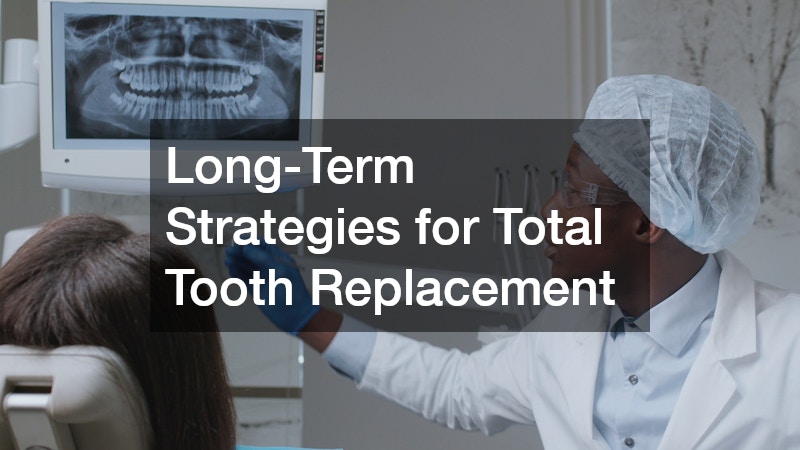
In cases where periodontal disease has progressed to the point where the teeth are mobile or the infection is uncontrollable, extraction may be the only way to save the health of the rest of the mouth. When chronic inflammation destroys the ligaments and bone holding a tooth in place, removing the source of the bacteria is a strategic move to prevent the infection from migrating to adjacent healthy teeth or into the bloodstream. However, losing a tooth no longer means a lifetime of discomfort or removable dentures that may slip or irritate the gums.
The gold standard for replacement is a tooth implant, which functions as an artificial root that integrates directly with the jawbone through a biological process called osseointegration.
The preparation phase for advanced oral rehabilitation is a technical undertaking that prioritizes the biological stability of the entire jaw. Before a replacement can be placed, the foundation must be meticulously prepared to ensure the surrounding environment can support the mechanical loads of a prosthetic. This usually begins with a comprehensive dental appointment to map out the surgical and restorative phases of treatment, utilizing three-dimensional imaging to assess bone density and nerve proximity. Because implants rely on healthy bone and gum tissue for their long-term survival, any lingering periodontal disease in the rest of the mouth must be fully resolved; placing a precision device into an active site of infection would invite immediate failure and systemic complications.
The clinical team must ensure that the inflammatory response is silenced and that the soft tissue has sufficient volume to create a protective seal. Once the foundation is ready, the implant can be placed, providing a permanent solution that looks and feels like a natural part of your body by mimicking the root-to-crown anatomy of a healthy tooth. However, the completion of the surgery is merely the beginning of the maintenance phase. Even after the work is complete, consistent monitoring is required to ensure that the tissue around the implant remains free of the same bacteria that caused the original tooth loss. This specialized follow-up care is essential for preventing peri-implantitis, a condition that can jeopardize the stability of the artificial root if the surrounding gums are not kept in a state of peak health.
- Preserving the Ridge:
When a tooth is removed, “socket preservation” grafting can be done to keep the bone from shrinking while you wait for an implant. - Stability for Life:
Unlike bridges, implants do not require the reduction of healthy adjacent teeth, preserving the integrity of the entire arch. - Immediate Loading Options:
In some scenarios, a temporary tooth can be placed on the same day as the implant surgery, so you never have to be without a smile. - Home Care for Implants:
Using water flossers and specialized non-abrasive pastes to keep the area around your new “root” perfectly clean.
Conclusion: Taking Control of Your Periodontal Future
The health of your gums is a dynamic state that requires constant attention and professional support. While the journey from detecting early gingivitis to managing advanced periodontitis can feel overwhelming, the tools and techniques available in 2026 have made it easier than ever to maintain a healthy foundation. By understanding that professional cleaning is a biological necessity rather than a luxury, you empower yourself to avoid the pain and expense of tooth loss.
Success in oral health is found in the daily habits and the professional partnerships you build over time. When you prioritize the “pink” foundation of your smile, you ensure that the “white” portion remains strong, functional, and beautiful. Whether you are seeking a routine check-up or a total mouth reconstruction, remember that the goal is always the same: a stable, inflammation-free environment that supports your overall health and gives you the confidence to smile. Taking a proactive stance today is the best gift you can give your future self, ensuring that your natural teeth remain exactly where they belong for many years to come.